
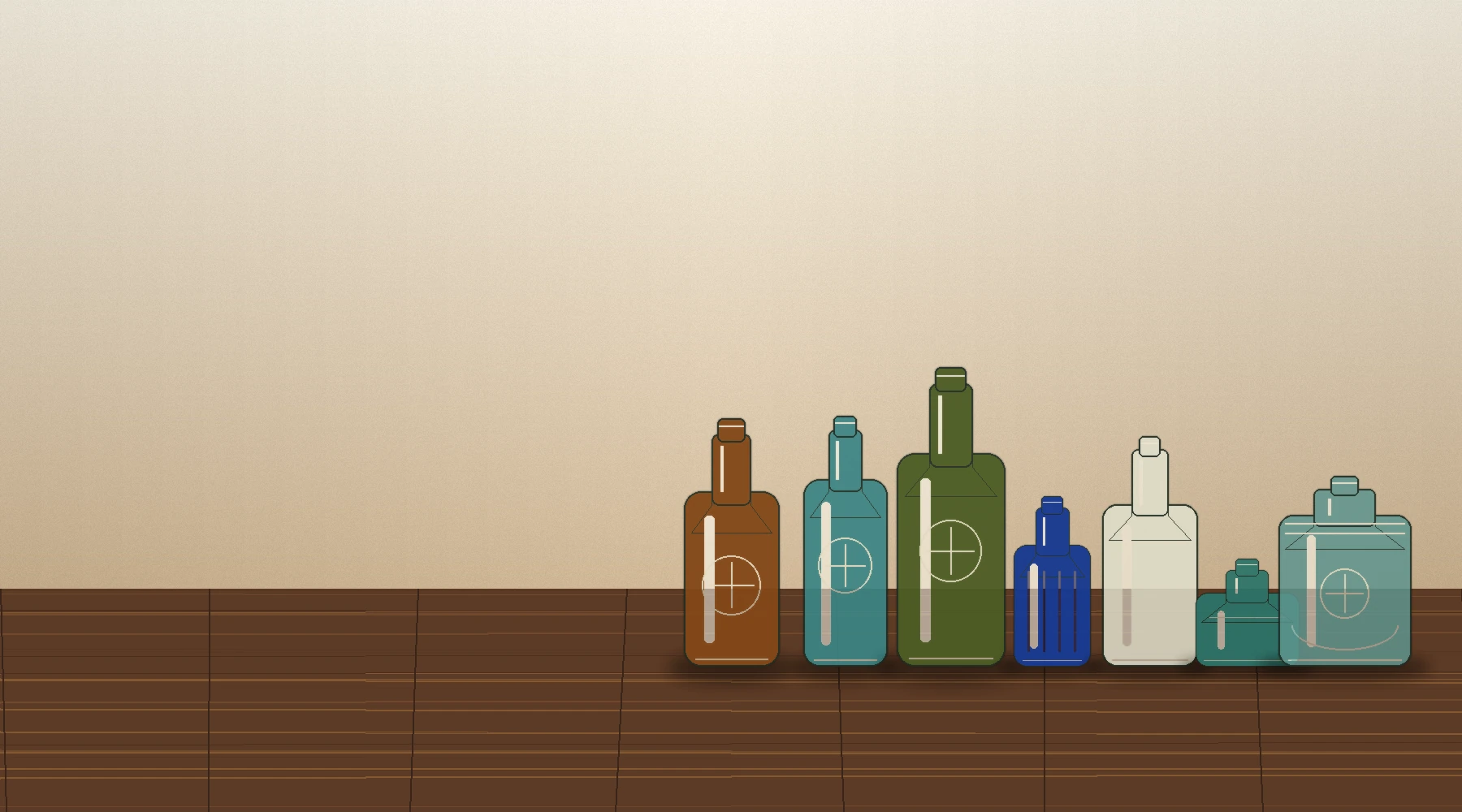
Identify, Value, and Collect Antique Bottles
Learn bottle dating, maker marks, embossing, colors, pontil scars, closures, and what collectors actually research before buying or selling.
Bottle Types
Start with intended use and shape, then narrow the identification using manufacturing evidence, marks, color, closure, and local history.
What do you have?
Work through seams, finish, base, embossing, closure, and glass characteristics in a repeatable order.
When was it made?
Use multiple physical clues together and understand why date ranges are more defensible than exact years.
What affects demand?
Rarity, color, embossing, condition, provenance, regional interest, and venue all influence realized prices.
Date a Bottle by Following the Evidence
No single seam, scar, or color tells the whole story. A useful estimate comes from the manufacturing process, finish, closure, base, marks, and documented history.
- Inspect where the mold seams stop.
- Look for pontil and machine scars on the base.
- Study the lip or finish separately.
- Record every embossed word, symbol, and number.
Popular Collector Guides
Useful, object-focused pages built around the questions collectors, heirs, pickers, and sellers actually ask.
Most Valuable Antique Medicine Bottles
Learn which traits can make embossed medicine and patent-medicine bottles desirable.
Read guide →
Hutchinson Soda Bottles: History, Identification, and Values
Understand the stopper, embossing, regional bottlers, condition, and value research.
Read guide →
Bromo-Seltzer Bottles: Cobalt Glass and Dating Clues
A collector-friendly guide to one of the most recognizable cobalt medicine bottles.
Read guide →
Blob-Top Beer Bottles: Identification Guide
Recognize blob finishes, closures, colors, embossing, and regional brewery examples.
Read guide →
How to Clean Antique Bottles Without Damaging Them
Use the least aggressive cleaning method first and protect labels, patina, and glass.
Read guide →
Bottle Digging: Research, Permission, Safety, and Ethics
A lawful, site-respectful introduction to finding discarded historic bottles.
Read guide →
Research Before You Price
Asking prices are not evidence of value. Compare completed sales for the same bottle, variant, color, condition, and size whenever possible.
- Search exact embossed wording in quotation marks.
- Filter for sold or completed listings.
- Separate common colors from scarce variants.
- Account for chips, cracks, staining, and repairs.