
Collector note: AntiqueBottles.co provides educational research guidance, not guaranteed authentication or appraisal. Never excavate without permission, and follow cultural-resource and property laws.
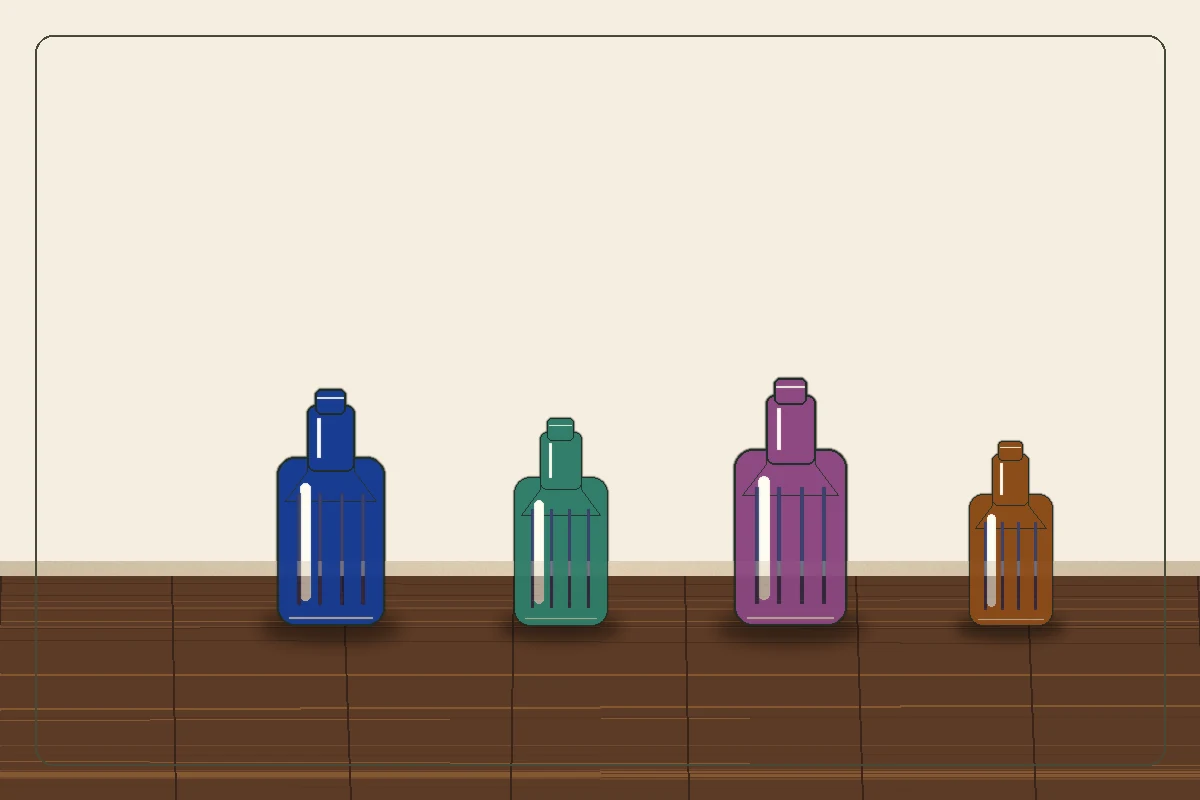
Why poison bottles use tactile warning features and striking collector colors. This guide is designed to help you inspect the object methodically, document what you see, and know what to research next.
Start with the whole bottle, not one clue
Why poison bottles use tactile warning features and striking collector colors. The safest identification process combines manufacturing evidence, bottle form, embossing, closure, color, local history, and documented comparisons. One feature can narrow a date range, but rarely proves a precise year by itself.
Inspect construction and manufacturing evidence
Begin at the base and follow the mold seams upward. Note whether a pontil scar is present, where the side seams stop, whether they continue through the finish, and whether the base shows automatic-machine characteristics. Photograph these features before cleaning because dirt and reflections can obscure subtle marks.
Research names, places, and intended use
Embossed company names, towns, products, patent language, capacity statements, and glasshouse symbols are searchable evidence. Try exact phrases, spelling variants, city directories, newspaper archives, trade catalogs, and collector references. A common bottle tied to a scarce local merchant may be more interesting than an unusual shape with no history.
Evaluate condition honestly
Collectors commonly distinguish mint or near-mint examples from bottles with chips, bruises, cracks, case wear, staining, sickness, repairs, or ground lips. Describe every defect. Natural manufacturing irregularities such as bubbles or crude tooling are not automatically damage, but they should still be photographed.
- Photograph the lip, heel, base, and every side.
- Use angled light to reveal cracks and bruises.
- Do not conceal repairs, polishing, staining, or replacement closures.
Research value using comparable sales
Use completed sales rather than asking prices. Match the bottle type, exact embossing, color, size, closure, condition, and region as closely as possible. Auction archives and specialist dealers can be useful, but venue, photography, bidder competition, and shipping risk can all change the final price.
Recommended next steps
- Record dimensions, color, closure, embossing, seam behavior, and base marks.
- Compare the bottle with references from the Society for Historical Archaeology’s Historic Bottle Identification resource.
- Search sold examples using exact embossed wording.
- Ask a category specialist when a rare color, variant, or high value is plausible.
Ready to start browsing?
See current Antique Bottle listings on eBay →